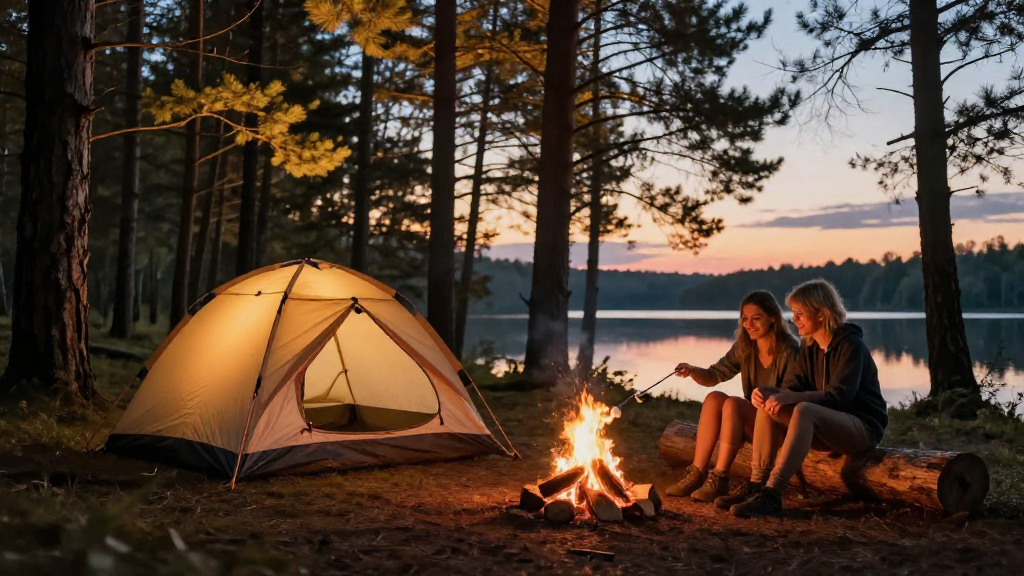
Tent camping for beginners can seem daunting.
However, with the right guidance and preparation, you can create memorable outdoor experiences. In this article, we’ll explore the essentials of tent camping, provide tips to prepare, and highlight the best practices for a successful adventure.
What Do You Need for Tent Camping?
Before embarking on your tent camping adventure, it’s crucial to gather your gear. Here’s a list of the must-have items for tent camping for beginners:
1. Tent
- Choose the right size: Determine how many people will be sleeping in the tent.
- Consider weather resistance: Make sure it is suitable for the conditions.
2. Sleeping Gear
- Sleeping bags: Ensure they are rated for the temperature you expect.
- Sleeping pads or air mattresses: These provide comfort and insulation.
3. Cooking Supplies
- Portable stove or campfire setup: Easily heat meals or boil water.
- Cooking utensils and cookware: Bring pots, pans, and cutting tools.
- Food storage: Use coolers and bear-proof containers as needed.
4. Personal Items
- Clothing suitable for the weather: Layers are always a good choice.
- Hygiene products: Don’t forget eco-friendly toiletries.
5. Navigation Tools
- Maps and compass or GPS: Essential for exploring trails safely.
6. Safety Gear
- First-aid kit: Be prepared for minor injuries.
- Emergency whistle and flashlight: Vital in low visibility situations.
By gathering these essential items, you’ll be well-equipped for your first adventure in tent camping for beginners.
Where Should You Camp?
Choosing the right location is critical for a successful camping experience. Here are a few tips on where to camp:
1. National and State Parks
- These areas often have designated campgrounds equipped with facilities.
- Make reservations, especially during peak seasons.
2. Campsites
- Look for local campsites that offer amenities like restrooms, showers, and fire pits.
- Some sites may also have water sources for cooking and washing.
3. Backcountry Camping
- For those seeking solitude, consider remote areas where you can set up your tent away from crowds.
- Research enforced regulations and get the necessary permits.
4. Campgrounds with activities
- Opt for places with hiking trails, lakes, or climbing areas to enhance your outdoor adventure.
Before you head out, always check the weather and conditions.
How Do You Set Up a Tent?
Setting up your tent might seem tricky at first. But, once you know the steps, it can be straightforward.
1. Choose the Right Spot
- Select a flat area free from rocks and debris.
- Ensure there’s adequate shelter from wind and rain.
2. Lay Out the Tent
- Unpack your tent and spread it out.
- Identify the tent poles and individual parts.
3. Assemble the Tent Frame
- Insert the poles into their respective sleeves or clips.
- Connect the poles as per the design of your tent.
4. Attach the Tent to the Ground
- Secure the tent with stakes, driving them into the ground at a 45-degree angle.
- If windy, add additional guylines for extra security.
5. Add the Rainfly
- If your tent comes with a rainfly, place it on top to protect against moisture.
- Ensure all zippers are closed to prevent any pests.
With practice, setting up your tent will become a breeze.
What Should You Do Once You Arrive?
After you’ve set up your tent, settle in and enjoy the camping life. Here’s what to do next:
1. Explore the Area
- Take walks to familiarize yourself with your surroundings.
- Discover trails, nearby streams, or scenic views.
2. Prepare Meals
- Cook over a campfire or portable stove.
- Always clean up after meals to avoid attracting wildlife.
3. Engage in Activities
- Bring games, books, or card decks for entertainment.
- Consider hiking, fishing, or stargazing.
4. Practice Campfire Etiquette
- Keep fires limited to designated areas and manage them responsibly.
- Always fully extinguish the fire before sleeping or leaving the site.
Tent camping for beginners doesn’t have to be stressful. Enjoy the natural beauty around you and make lasting memories.
How Can You Stay Safe While Camping?
Safety should always be a top priority when tent camping. Here are some tips to keep in mind:
1. Learn About Local Wildlife
- Be informed about animals in the region and how to store food properly.
- Never feed wildlife; it can lead to dangerous encounters.
2. Avoid Bad Weather
- Monitor the weather forecast before and during your stay.
- In case of severe weather, seek safety in your vehicle if necessary.
3. Stay Hydrated and Nourished
- Bring enough water, adequately stored, for the duration of your trip.
- Pack nutritious and energizing meals.
4. Respect Campground Rules
- Familiarize yourself with the regulations at your chosen campsite.
- Follow rules regarding campfires, quiet hours, and waste disposal.
By taking these precautions, you can maximize safety and enjoyment during your tent camping experience.
What Should You Know About Leave No Trace Principles?
Practicing Leave No Trace principles is essential to protect the environment. Here are the seven core principles to follow:
-
Plan Ahead and Prepare: Research the area and be ready for various conditions.
-
Travel and Camp on Durable Surfaces: Stick to established trails and campsites.
-
Dispose of Waste Properly: Pack out all trash, leftover food, and personal items.
-
Leave What You Find: Don’t disturb cultural or historical sites and avoid picking plants.
-
Minimize Campfire Impact: Use a stove or only build fires in established areas.
-
Respect Wildlife: Observe animals from a distance and avoid feeding them.
-
Be Considerate of Other Visitors: Keep noise to a minimum and yield the trail to others.
By following these guidelines, you’ll contribute to preserving the beauty of nature for future campers.
Conclusion
Tent camping for beginners is an incredible way to connect with nature and unwind. By properly preparing and understanding the basics of camping, you’ll build confidence for your outdoor adventures.
Whether it’s your first or tenth time camping, remember to embrace the experience to learn and explore.
With the right gear, location, and mindset, your camping adventure can be enjoyable and rewarding.
Now, grab your gear, pack your bags, and embark on a memorable camping journey!