If you sleep on your side, a thin pad can mean sore hips, numb shoulders, and a rough night in camp. The right pad should cushion pressure points, stay stable, and still pack light enough for the trail.
Below, we focus on the best options for comfort, warmth, and weight so you can choose a backpacking sleeping pad for side sleepers that fits your trips and sleep style.
Best 10 Backpacking Sleeping Pad for Side Sleepers Picks for 2026
Side-Sleeper Comfort Pick
4-Inch Thick Inflatable Pad with Foot Pump

- 4-inch air layer helps cushion hips and shoulders
- Built-in pillow adds neck support
- Foot pump inflates in about 30–60 seconds
Best For: Campers who want extra thickness and quick setup
Cold-Weather Insulated Choice
R5 Ultralight 4" Rectangular Pad

- SGS-certified R 5.5 insulation for 4-season use
- 4-inch loft helps prevent bottoming out on your side
- 75 x 25 inch rectangular shape offers more room
Best For: Cold-weather backpackers who want warmth and space
Body-Mapped Value Pick
Klymit Static V2 Inflatable Pad

- V-chamber design helps the pad conform to your body
- Dynamic side rails add a cradled feel
- 20 oz packed weight is easy to carry
Best For: Backpackers who want a compact, body-mapped pad
Self-Inflating Hybrid Pick
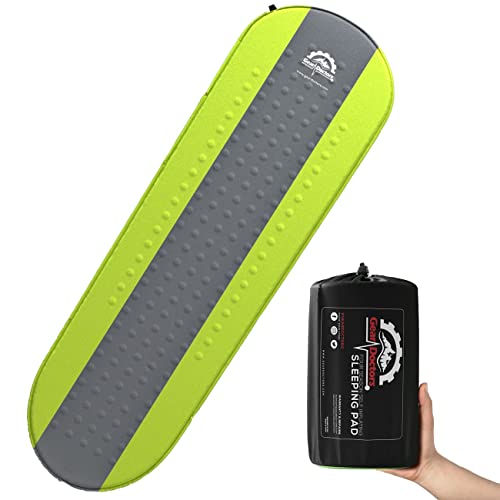
- Self-inflating foam core makes setup simple
- 4.3 R-value adds warmth for cooler nights
- 75D shell is designed for abrasion and water resistance
Best For: Campers who want easy setup and dependable insulation
Ultralight Warmth Pick
Naturehike 20oz Ultralight Sleeping Pad with Sidewalls
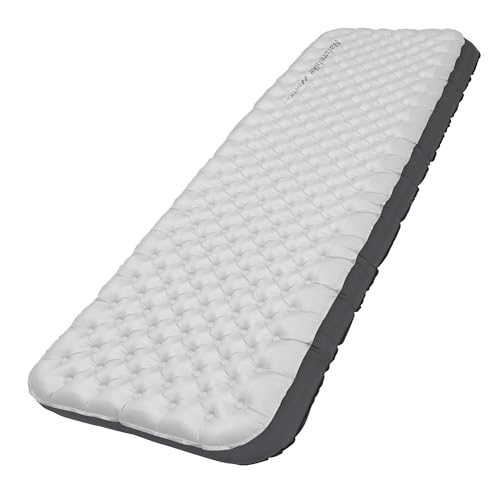
- 10cm thickness boosts comfort for side sleeping
- 6.5 R-value and insulated layers add warmth
- Sidewalls help keep you centered on the pad
Best For: Side sleepers who want warmth and extra cushioning
Thick Comfort Pick
OGERY 6" Inflatable Sleeping Pad with Pillow

- 6-inch thickness adds major side-sleeping comfort
- Built-in pillow supports neck and back
- Foot pump and dual valves simplify setup
Best For: Side sleepers who want max cushioning and easy inflation
Ultralight Minimalist Pick
Sleepingo Ultralight Sleeping Mat

- Under 1 lb and packs smaller than a water bottle
- 2-inch thickness gives basic side-sleep comfort
- Ripstop nylon build is waterproof and durable
Best For: Minimalist backpackers who want a compact pad
Roomy Comfort Pick
FUN PAC Ultralight Camping Pad

- Extra-wide 27-inch design
- 3-inch thickness with built-in pillow
- Fast built-in foot pump inflation
Best For: Side sleepers who want more width and cushioning
Insulated Trail Pick
Gear Doctors ApolloAir 5.2 R-Value Pad

- 5.2 R-value for colder trips
- 17 oz and packs very small
- 3.2-inch thick with horizontal chambers
Best For: Ultralight backpackers who want insulation and stable comfort
Side-Sleeper Stability Pick
Gear Doctors Ether Ultralight Pad

- ErgoCushion U-shape resists slipping
- 76 x 25-inch sleeping surface
- 3.35-inch edges for added support
Best For: Side sleepers who want contouring support and stable positioning
Side-Sleeper Comfort Pick – 4-Inch Thick Inflatable Pad with Foot Pump
If you want a backpacking sleeping pad for side sleepers that prioritizes comfort without adding too much bulk, this 4-inch inflatable pad is built around pressure relief. The thicker air layer, integrated pillow, and rectangular shape help keep hips and shoulders off hard ground, which can make a big difference on uneven campsites.
Best For: First-time campers, lightweight backpackers, solo tent campers, and weekend hikers who want a firmer, more cushioned sleep surface.
Pros:
- True 4-inch thickness helps reduce pressure points for side sleeping.
- Built-in pillow supports better neck alignment.
- Foot-pump inflation is quick and avoids mouth inflation.
- Lightweight at about 1.9 lbs and packs down small for a backpack.
Cons:
- At 1.9 lbs, it is not the lightest option in this group.
- Best suited to normal camping use rather than extreme ultralight setups.
Overall, this is a comfort-first backpacking sleeping pad for side sleepers who want a thicker feel and easy setup. It trades a little pack weight for a more supportive night’s sleep on rough ground.
Cold-Weather Insulated Choice – R5 Ultralight 4" Rectangular Pad
For a backpacking sleeping pad for side sleepers in colder conditions, this insulated Trekology pad leans heavily into warmth and support. The 4-inch loft, wide rectangular shape, and R 5.5 insulation make it a practical pick when you need more comfort from the ground and more protection from cold transfer.
Best For: Winter hikers, cold sleepers, and backpackers who want an insulated, roomy pad with strong four-season performance.
Pros:
- SGS-certified R 5.5 rating for reliable cold-weather insulation.
- 4-inch loft helps side sleepers avoid bottoming out.
- 75 x 25 inch rectangular shape gives more room than tapered pads.
- Ultralight at 28 oz with a compact packed size.
Cons:
- Heavier than the lightest minimalist pads.
- Designed for warmth and comfort, so it may feel bulkier than a thin summer mat.
This is a strong all-season option if warmth matters as much as comfort. The combination of insulation, width, and thickness makes it especially appealing for side sleepers who camp in colder weather.
Body-Mapped Value Pick – Klymit Static V2 Inflatable Pad
If you need a backpacking sleeping pad for side sleepers and want a proven, easy-to-pack design, the Klymit Static V2 focuses on body mapping and low weight. Its V-chamber layout and side rails are meant to cradle the body while keeping the pad compact enough for backpacking and hiking.
Best For: Backpackers who want a lightweight, easy-to-inflate pad with a more body-conforming sleep surface.
Pros:
- V-chamber design conforms to the body and helps limit air movement.
- Dynamic side rails add a cradling feel.
- Lightweight at 20 oz and packs down to 8 x 3 inches.
- R 4.4 insulation gives useful 4-season versatility.
Cons:
- At 2.5 inches thick, it is thinner than some comfort-focused side-sleeper pads.
- Inflation requires 10 to 15 breaths, so it is not pump-assisted.
The Static V2 is a solid middle ground if you want comfort, compact size, and dependable warmth without going to a bulkier mattress-style pad. Side sleepers who prefer a more sculpted fit may appreciate the V-chamber feel.
Self-Inflating Hybrid Pick – Oxylus 4.3 R-Value Foam Pad
For a backpacking sleeping pad for side sleepers who prefer a self-inflating design, the Gear Doctors Oxylus blends foam and air support in a practical hybrid package. Its 1.5-inch thickness, 4.3 R-value, and self-inflating setup are aimed at giving you an easier camp routine with dependable comfort on uneven ground.
Best For: Beginners, families, hikers, and campers who want a self-inflating pad with dependable warmth and simple setup.
Pros:
- Self-inflating foam core simplifies setup and packing.
- 4.3 R-value helps with warmth in cooler conditions.
- 75D micro-coated polyester shell is built for abrasion resistance and water resistance.
- Compact packed size makes it easier to stash in a pack.
Cons:
- At 1.5 inches thick, it is less plush than thicker inflatable pads.
- Heavier than some ultralight air-only backpacking options at 35.2 oz.
This pad makes sense if you value durability and straightforward use over maximum cushion. It is a practical choice for campers who want self-inflating convenience with enough insulation for three-season and colder outings.
Ultralight Warmth Pick – Naturehike 20oz Ultralight Sleeping Pad with Sidewalls
If you need a backpacking sleeping pad for side sleepers, this Naturehike pad is built around thickness, warmth, and side stability. The 10cm profile, 6.5 R-value insulation, and raised sidewalls make it a strong choice when you want extra cushion without giving up too much weight.
Best For: Side sleepers who want high insulation, thicker comfort, and better roll-off control on backpacking trips.
Pros:
- 6.5 R-value and insulated aluminum layers help limit heat loss on cold nights.
- 10cm thickness adds significant cushioning for pressure relief.
- Sidewalls help reduce rolling off the pad while sleeping.
- Lightweight 20D nylon + TPU build keeps pack weight down.
Cons:
- Thicker insulated pads can feel less compact in a pack than minimalist options.
- Best performance depends on proper inflation, as the notes warn against over-inflating.
This is a strong all-around pick if warmth matters as much as comfort. For side sleepers especially, the extra thickness and sidewall design make it easier to stay supported through the night.
Thick Comfort Pick – OGERY 6" Inflatable Sleeping Pad with Pillow
For a backpacking sleeping pad for side sleepers who prioritize plush comfort, this OGERY model stands out with its 6-inch thickness and built-in pillow. It gives you a taller buffer between your body and the ground, which can help reduce hip and shoulder pressure when you sleep on your side.
Best For: Side sleepers who want a very thick pad with an integrated pillow and simple foot-pump inflation.
Pros:
- 6-inch thickness offers substantial cushioning.
- Built-in pillow can help support the neck and upper back.
- Foot pump makes inflation easier without extra gear.
- Snap-together side buttons allow pairing with another pad.
Cons:
- At 2.4 lbs, it is heavier than ultralight minimalist pads.
- The large packed size may be less appealing for tight backpacking setups.
This pad leans more toward comfort than shaving every ounce. If you sleep on your side and want a thick, supportive surface with built-in convenience, it is an easy product to consider.
Ultralight Minimalist Pick – Sleepingo Ultralight Sleeping Mat
If your priority is a backpacking sleeping pad for side sleepers that stays small and light, the Sleepingo Ultralight Sleeping Mat is a straightforward option. It weighs under 1 lb, packs smaller than a water bottle, and still uses a 2-inch thickness to provide basic pressure relief on the trail.
Best For: Backpackers who want a very light, compact pad and still need enough comfort to sleep on their side.
Pros:
- Weighs less than 1 lb and packs very small.
- 2-inch thickness offers pressure relief across sleep positions.
- Ripstop nylon construction is waterproof and built for rough ground.
- Air cell design supports even cushioning and easier inflation.
Cons:
- 2-inch thickness is less plush than thicker side-sleeping pads.
- May feel more minimal if you need extra hip or shoulder buffer.
This is the most stripped-down choice in the group, which makes it appealing for weight-conscious hikers. Side sleepers who can live with a thinner pad will appreciate its low bulk and simple, packable design.
Roomy Comfort Pick – FUN PAC Ultralight Camping Pad
If you want a backpacking sleeping pad for side sleepers that puts comfort first, this FUN PAC mat stands out for its extra width, 3-inch thickness, and built-in pillow. The egg-shaped air cells are designed to help you stay balanced whether you sleep on your back or side, while the compact, lightweight build still suits backpacking and hiking trips.
Best For: Side sleepers who want a wider, thicker pad with an integrated pillow for car camping, backpacking, or travel.
Pros:
- Extra-wide layout and 3-inch thickness for better off-ground comfort
- Built-in pillow removes the need to pack a separate pillow
- Built-in foot pump inflates in about 30-60 seconds
- Buttons on the side let you connect another pad for a twin setup
Cons:
- At 1.5 pounds, it is not the lightest option here
- Single-size shape may feel less ideal for very broad sleepers
- Firm feel may not suit campers who prefer a softer mattress
Overall, this is a strong comfort-first choice if your main concern is sleeping well on your side without carrying extra bedding. Its blend of width, thickness, and quick inflation makes it practical for mixed outdoor use.
Insulated Trail Pick – Gear Doctors ApolloAir 5.2 R-Value Pad
This backpacking sleeping pad for side sleepers is built for hikers who want real insulation without giving up packability. The ApolloAir uses a 3.2-inch thick design with horizontal air chambers to spread weight more evenly, and its small packed size makes it easy to carry on longer trips.
Best For: Backpackers who need a lightweight, insulated pad with solid comfort across spring through winter conditions.
Pros:
- 5.2 R-value insulation for broad seasonal use
- 3.2-inch thickness adds cushioning for side sleeping
- Packs down small and weighs 17 oz
- Includes pump sack, repair kits, and valve support for easy setup
Cons:
- Not self-inflating
- Narrower dimensions at one end may feel less roomy than wider pads
- Less plush than the thickest comfort-focused camping mats
For backpackers who care about warmth and low weight, this pad hits a useful balance. It is especially appealing if you want insulation and a stable sleep surface for colder or variable conditions.
Side-Sleeper Stability Pick – Gear Doctors Ether Ultralight Pad
If you need a backpacking sleeping pad for side sleepers that aims for a more stable, body-hugging feel, the Gear Doctors Ether is worth a close look. Its ErgoCushion U-shape design, varying thickness, and 76 x 25-inch size are intended to keep you from slipping while still staying light enough for backpacking.
Best For: Side and back sleepers who want a lightweight pad with contouring support and easy inflation.
Pros:
- ErgoCushion U-shape helps prevent slipping
- 76 x 25-inch inflated size gives a roomy sleep surface
- Edge thickness of 3.35 inches supports side-sleep comfort
- Includes detachable foot pump, repair kit, and carry pouch
Cons:
- 2 R-value makes it better for spring and summer than cold-weather trips
- Not self-inflating
- Heavier than the lightest minimalist pads at 17.5 oz
This pad makes sense if your priority is staying comfortably positioned through the night rather than shaving every possible ounce. The shape and thickness profile are the main reasons it stands out for side sleepers.
How We Picked the Best Backpacking Sleeping Pad for Side Sleepers
We prioritized pads that make side sleeping more comfortable without adding unnecessary bulk. That means enough thickness to reduce pressure points, practical insulation for expected temperatures, manageable packed size, and trail-friendly weight. We also looked for design features that help side sleepers specifically, such as wider shapes, sidewalls, or stable baffles.
Quick Comparison
For most buyers, the best Backpacking Sleeping Pad for Side Sleepers is the one that balances three things: cushion, warmth, and portability. Thicker inflatable pads are usually the most comfortable. Insulated models are better for colder shoulder-season trips. Ultralight pads win when every ounce matters, but they can feel less forgiving if you move around a lot at night.
Key Buying Factors for a Backpacking Sleeping Pad for Side Sleepers
Thickness and Cushioning
Side sleepers generally do better with about 3 inches or more of thickness. That extra loft helps keep hips and shoulders from bottoming out, especially if you are lightweight or sleep on uneven ground.
Width and Shape
Look for wider rectangular pads or models with supportive side rails. A little extra width can prevent roll-offs and give your shoulders more room, which matters when you shift positions in your sleep.
Insulation and R-Value
If you camp in spring, fall, or cold mountain nights, choose a pad with a higher R-value. Warmth comes from insulation as much as comfort, and cold ground can make even a thick pad feel less effective.
Weight and Packed Size
Backpackers still need a pad that fits the pack and the mileage. If you take long trips or fast-packing routes, a lighter pad may be worth a small comfort tradeoff. For shorter trips, comfort can take priority.
Inflation and Durability
Built-in pumps and self-inflating designs can save time at camp. Reinforced materials, while sometimes slightly heavier, may be a better fit if you camp on rough ground or want a more durable long-term option.
Who Should Buy Which Backpacking Sleeping Pad for Side Sleepers?
Choose a thick, wide insulated inflatable pad if comfort is your top priority and you sleep strictly on your side. Pick an ultralight model if you want to keep pack weight down and can tolerate a firmer feel. Go with a self-inflating or foam-assisted pad if you prefer simpler setup, extra stability, or more puncture resistance.
In short, the best Backpacking Sleeping Pad for Side Sleepers is the one that supports your pressure points, matches your climate, and still feels easy to carry. Start with comfort, then narrow by warmth and weight.